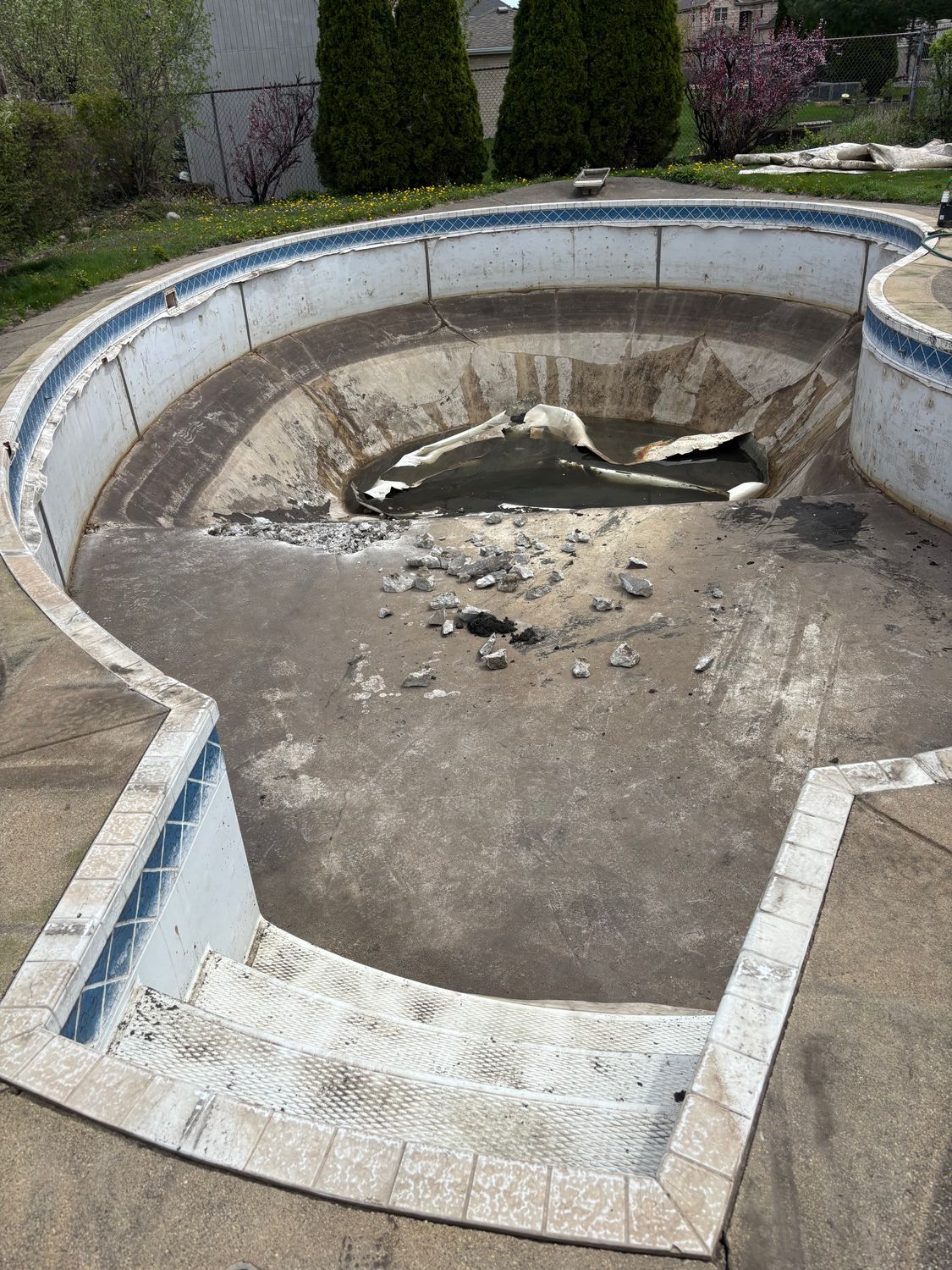
Mastering Urban Renewal: How Selective Demolition Revitalizes Illinois Communities Dec 20, 2025
Selective demolition, unlike traditional demolition, involves meticulously dismantling specific parts of a building while preserving others. This precision allows for the retention of valuable structures, promoting sustainability and reducing waste. Often employed in urban settings, it effectively revitalizes aging infrastructure while preserving the architectural integrity and cultural heritage of a community.
Illinois, with its diverse architectural heritage and vibrant neighborhoods, is a prime candidate for selective demolition. By focusing on areas that require reconstruction or improvement without total destruction, Illinois Selective Demolition plays a pivotal role in preserving the state's architectural legacy. This approach not only enhances aesthetic appeal but also boosts property values and stimulates local economies.
A key benefit of selective demolition in urban renewal is environmental sustainability. Buildings are significant contributors to carbon emissions, primarily through energy use and material waste. Selective demolition minimizes these impacts by recycling materials, reducing landfill waste, and conserving resources. In doing so, Illinois communities can pursue modernization without compromising their commitment to a greener future.
Moreover, by leveraging the expertise of companies like Illinois Selective Demolition, communities can ensure that urban renewal projects align with local regulations and sustainability goals. The company’s experienced professionals are adept at navigating complex zoning laws and environmental standards, facilitating smoother project completion and compliance with legal requirements. This expertise ensures projects are completed efficiently and on budget, maximizing community benefits.
Economically, selective demolition fosters job creation and growth. It requires skilled labor for precise planning and execution, which translates to employment opportunities within the community. These projects often attract new businesses and residents, invigorating local economies and encouraging further investment in infrastructure and services. As newer generations seek vibrant community spaces that reflect a blend of history and modernity, the strategic approach of selective demolition meets these evolving demands.
The careful nature of selective demolition also impacts community health and safety, two critical factors in urban renewal projects. By prioritizing the removal of hazardous materials such as asbestos, companies like Illinois Selective Demolition significantly reduce risks associated with old structures. The result is safer living environments and improved public health, crucial components of a thriving community.
In conclusion, selective demolition acts as a catalyst for positive change in Illinois communities, bridging the gap between preservation and innovation. With a focus on sustainability, economic growth, and community well-being, companies like Illinois Selective Demolition are not merely tearing down the old but skillfully crafting a new vision for urban living. As urban renewal projects continue to proliferate across the state, selective demolition remains an invaluable tool in nurturing vibrant, healthy, and economically sound communities for future generations. Whether it’s revitalizing a neighborhood’s charm or modernizing its facilities, selective demolition is indeed an art, reshaping Illinois one project at a time.
/filters:no_upscale()/filters:format(webp)/media/8826ecb9-0517-4dcc-82de-9bd528f97476.jpeg)